Brisbane Weavery healing workshop – basketry with natural fibres

Use prolific local fibres to explore possibilities in string making and connected weaving techniques (string nets and bags). Weave a dilly or sculptural piece. You will take home is so much more! than what you might expect – connection, calm, groundedness and new friends! Experience the healing, nurturing and centering forces that emerge as you weave with awareness, intention and mindfulness. Rene will facilitate a journey through the creative energy of the universe using plants that are all around you – you will never look at your natural environment in the same way again! Beginners welcome. Please bring a lunch dish to share with the group, for extra culinary connection.

20130216-191512.jpg

A is for Acacia Melanoxylon

Am I really starting this blog with acacia melanoxylon? It just popped into my head. Well more than that, really… I took some photos of it today at Fairhill native plant nursery. It’s commonly known as black wattle, or Australian blackwood, and is a very common pioneer plant. Grows like a weed (it’s actually on the global invasive species list)… And recently I read that the bark was traditionally used for making string and for fishing lines… So I’m starting my blog with a fibre I haven’t actually tested out yet, starting with an item of hearsay, as such. Going on printed information. Oh well, so be it. Acacia Melanoxylon. If I were to take an educated guess, I would suggest that the bark is best peeled off an immature shoot or sapling, as generally the young parts yield the best fibre for string and net-making. My next enquiry would be whether the inner bark could be separated from the outer, as can be done with the cotton tree bark, or not. The inner bark is often finer, less rough, and beautiful. But since I haven’t tested it yet, it’s just a guess.
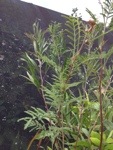
Here’s a photo of it –

20130216-191512.jpg

Ok, it’s a terrible photo too, but just wait, I have some magnificent ones in the pipeline…!

A is also for Alexandra palm, Archontophoenix cunninghamii, Araucaria heterophyllis, Aristolochiacea and Anigozanthos, but not… yet.